Do you want cooler air in one room without cutting a hole in a wall or hiring an installer? A portable air cooler like the Sunpentown SF613 is built for exactly that kind of job. You roll it into place, add water, plug it in, and let moving air do the work. It sounds simple, and in many ways it is, but a cooler is not the same as an air conditioner, and knowing the difference before you buy will save you a lot of disappointment.
This guide walks through what a portable air cooler is, how it cools, where it works well, where it struggles, and how to look after one. It covers the Sunpentown SF613 as a portable air cooler, not as a list of factory specifications. Use it to decide whether this type of cooler fits your room, your climate, and your habits.
What a portable air cooler is
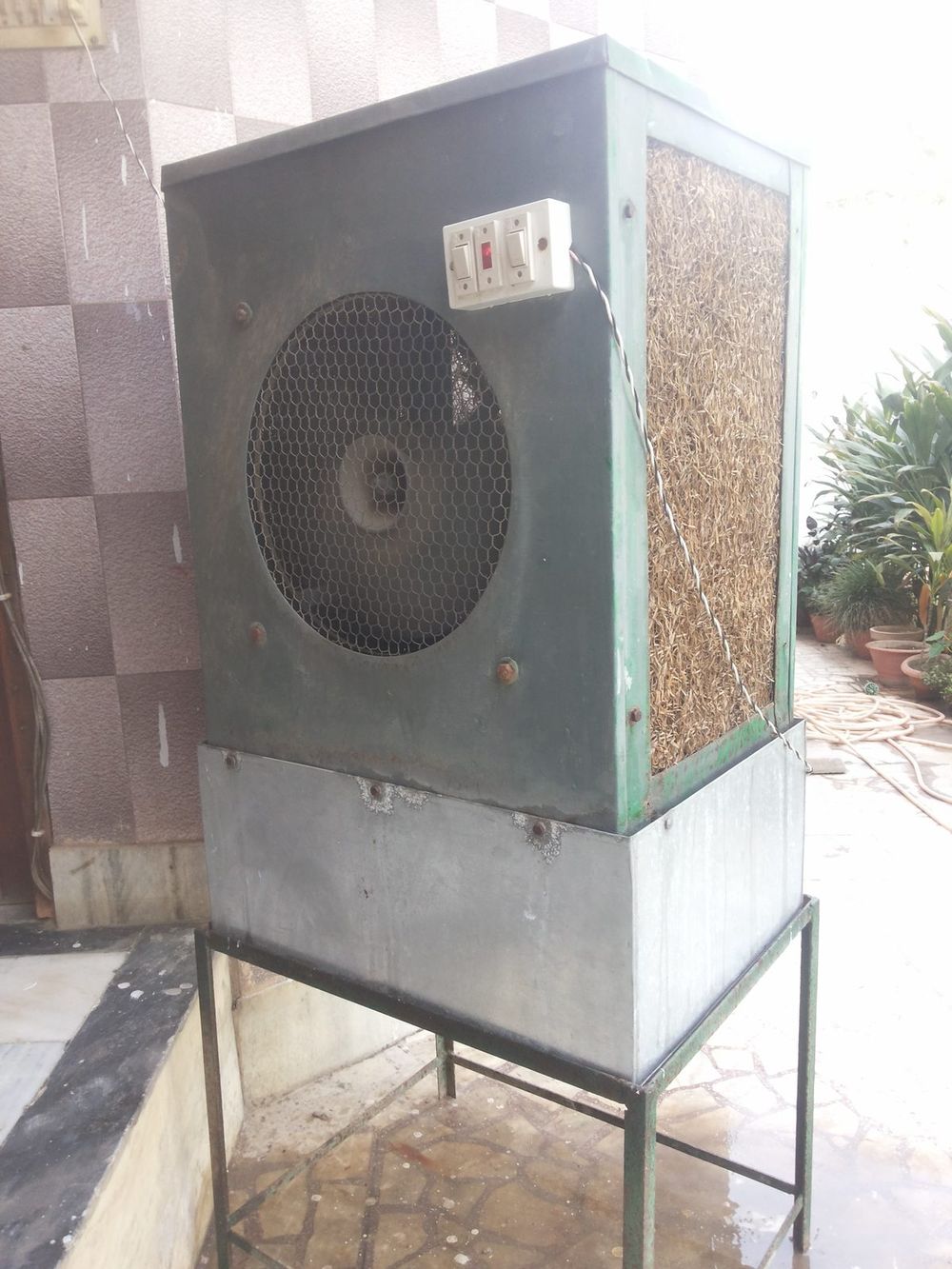
A portable air cooler is a freestanding appliance that moves room air through a damp pad or filter. A small pump keeps the pad wet, a fan pulls warm room air across it, and the air that comes out the front feels cooler because water evaporating from the pad carries heat away from the air stream. The cooler adds a small amount of moisture to the room as it runs. It does not use refrigerant, it does not need a window hose the way a portable air conditioner does, and it does not need any permanent fitting.
The SF613 name tells you this is a Sunpentown portable cooler, a compact unit meant to be moved from room to room. Portable coolers in this class usually stand on casters, hold their water in a built-in tank, and offer a few fan speeds plus a swing or oscillation setting that spreads the cooled air across a wider area. They are made for spot cooling: the person sitting near the cooler feels the benefit most, while the room as a whole cools more gently than it would with a compressor-based air conditioner.
How evaporative cooling works in your room
Evaporative cooling is the same effect you feel when a breeze hits damp skin. When dry air passes over water, some of the water turns to vapour, and that change takes heat out of the air. The drier the incoming air, the stronger the cooling effect. That is why evaporative coolers have a long history in hot, dry regions and why they feel so refreshing on a dry summer afternoon.
In a humid room the effect is weaker, because air that already holds a lot of moisture cannot take up much more. A cooler running in a sticky, humid room may still feel pleasant if you sit right in the airflow, since moving air helps sweat evaporate from your skin, but it will not dry the room or drop the temperature the way a refrigerant air conditioner can. If your summers are humid, keep your expectations modest and think of the cooler as a comfort fan with a cooling boost rather than a replacement for air conditioning.
Where a portable cooler works well
A portable cooler earns its keep in dry heat, in rooms where you want a breeze aimed at one or two people, and in spaces where a window unit is not allowed or not practical. It suits a home office, a bedroom at night, a workshop, a garage corner, or a covered patio where the air is dry and there is some ventilation. Because it only needs a power outlet and water, you can move it to wherever you happen to be working or resting.
It also suits renters and anyone who does not want to alter a building. There is no bracket to mount, no window panel to fit, and nothing to seal. When the hot season ends, you drain the tank, dry the pads, and store the cooler in a cupboard or garage. That flexibility is the main reason people choose a portable cooler over a fixed unit.
Where it struggles
A portable cooler struggles in humid weather, in large open rooms, and in rooms with no airflow. It adds moisture to the air, so running one for hours in a small sealed room can leave the air feeling clammy. Cracking a window or a door helps, because fresh dry air gives the cooler something to work with and lets damp air escape. If you close every window and run the cooler all day, the benefit fades as the room humidity climbs.
It also struggles as a whole-house solution. One portable cooler cannot cool several rooms at once, and it cannot hold a precise temperature the way a thermostat-controlled air conditioner can. If you need steady cooling across a whole home, or you live somewhere humid for most of the summer, a compressor-based system is the more honest answer, and a cooler is better kept as a supplement for one room.
Setting it up in a room
Start by picking a spot near a power outlet with a little open space around the cooler. The back of the unit draws room air in, so do not push it flat against a wall or bury it behind furniture. Leave a gap behind it so air can reach the pads freely, and point the front grille toward the seating or sleeping area where you want the airflow.
Fill the water tank to the marked level, using clean tap water, and check that the tank sits firmly in place before you switch the cooler on. Many people run the fan alone for a few minutes first, then switch on the cooling mode so the pump can wet the pads. If your model takes ice or frozen packs in the tank, treat those as a short boost for a hot afternoon rather than a daily habit, and never overfill the tank. A small amount of airflow from a cracked window or a door left ajar usually helps the cooler work better than a fully sealed room.
Day-to-day use
Use the fan speeds to match the moment. A low speed with the cooling mode on suits sleeping or reading, while a higher speed suits a hot afternoon when you want a stronger breeze. The oscillation setting spreads the air across the room, which helps when two people share the space, while a fixed grille direction gives one person a stronger stream of cool air.
Keep an eye on the water level. A cooler that runs dry stops cooling and may strain its pump, so top the tank up before it empties, and switch the cooling mode off if you plan to run the fan alone. At night, fill the tank before bed so the cooler can run without a refill. If the air starts to feel damp rather than fresh, open a window a little wider or switch to fan-only mode for a while.
Cleaning and upkeep
A water appliance needs regular cleaning, and a cooler is no exception. Standing water and damp pads can grow mould and smell stale if they are ignored, so build a simple routine. Empty and rinse the tank every few days during heavy use, wipe the inside dry when you can, and let the pads dry out fully between uses when the cooler will sit idle.
Check the pads now and then for mineral crust or a musty smell. Rinse them gently according to the manual that came with your unit, and replace them when they look worn, torn, or permanently discoloured. Wipe the outside of the cabinet with a damp cloth, keep the air intake free of dust and pet hair, and store the cooler dry at the end of the season with the tank empty and the pads aired out. A few minutes of care each week keeps the air fresh and the cooler working as it should.
What to ask before you buy
Before you buy any portable cooler, ask a few plain questions. How dry is your summer air, and will the cooler have ventilation to work with? Which room will it serve, and is there an outlet and a little floor space in a good spot? How large is the water tank, and how often are you willing to refill it? How loud is the fan on its highest setting, and does that matter if it runs in a bedroom?
Also ask about the pads and the warranty. Find out what type of cooling pads the unit uses, how easy they are to find and replace, and what the warranty covers. A cooler with easy-to-clean parts and pads you can buy without a hunt is worth more than a cheaper unit that turns into a chore. If you can, try the fan in a shop or read the manual online first, so you know how the controls work before the first hot day arrives.
Who a portable cooler suits
A portable cooler suits someone in a dry climate who wants affordable spot cooling in one room, a renter who cannot install fixed equipment, or a household that wants a flexible extra cooler for a home office, bedroom, or workshop. It suits people who are happy to fill a tank, open a window a crack, and accept gentle cooling rather than a tightly controlled temperature.
It suits you less if your summers are humid, if you need to cool a whole home, or if you want to set a temperature and forget about it. In those cases, a portable air conditioner, a window unit, or a fixed split system will serve you better. Match the machine to the job, and a portable cooler like the Sunpentown SF613 can be a simple, useful way to get through the hot months.