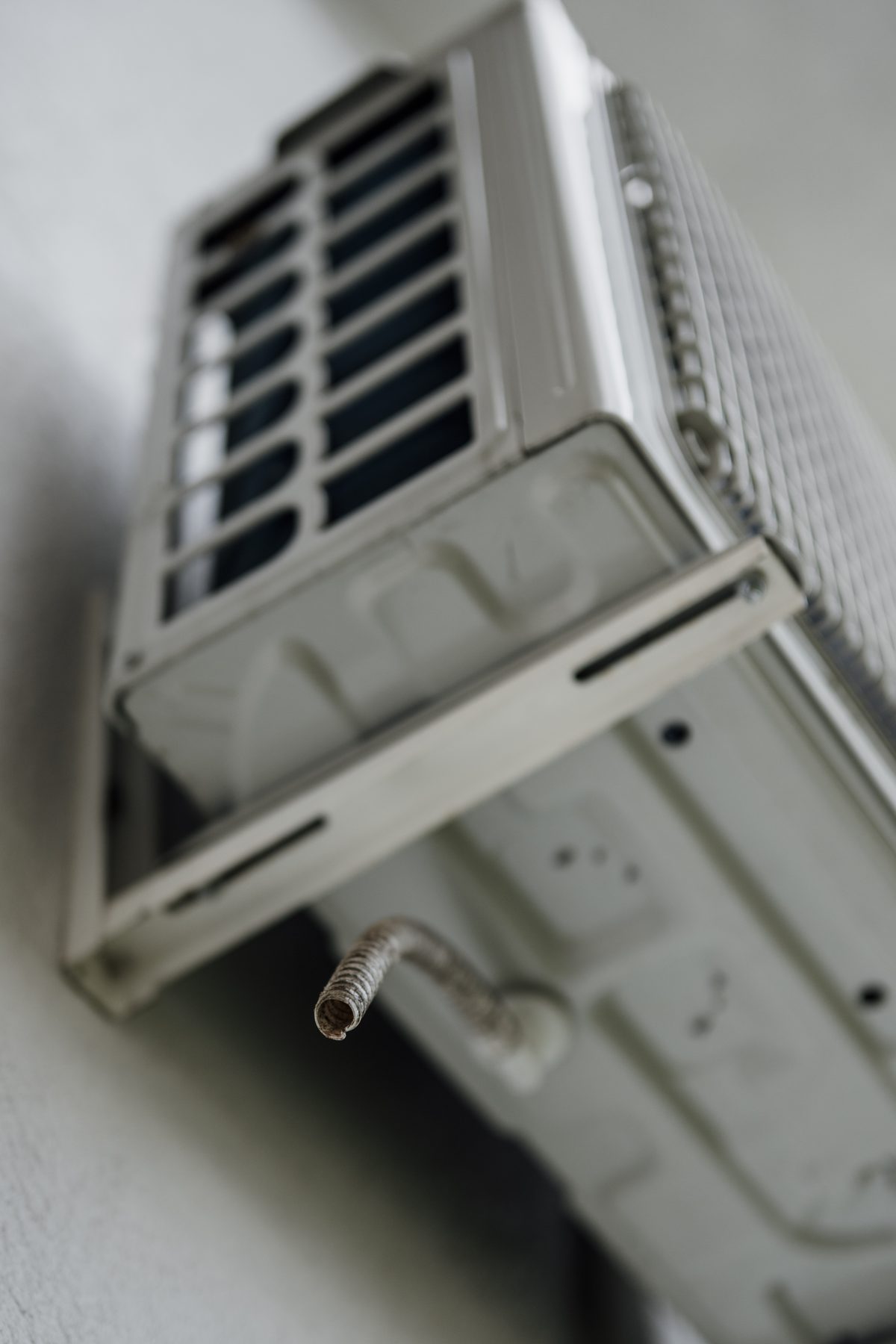
Have you ever walked past a large metal box sitting on a concrete pad beside a house and wondered what it does? There is a good chance it was a packaged air conditioner. A Goodman 2-ton packaged air conditioner, model GPC1424H41, puts the whole cooling system into one cabinet that lives outside, with ducts carrying cooled air into the home. If your house has limited indoor space or you are replacing an old packaged unit, this is the type of system you will be looking at.
This guide explains what a packaged air conditioner is, how it differs from a split system, what a 2-ton capacity means, and how installation and care usually go. This guide stays with the product type and the 2-ton capacity named in the listing. It does not repeat factory specifications, and its purpose is to give you solid questions to take to your contractor instead of replacing the manual.
What a packaged air conditioner is
A packaged air conditioner holds the compressor, the coils, the blower, and the controls inside a single outdoor cabinet. There is no separate indoor unit. Cooled air travels from the cabinet through supply ducts into the house, and warm air returns through return ducts to be cooled again. Everything that makes the cold air happens in that one box.
The Goodman GPC1424H41 is a 2-ton packaged air conditioner, which means the whole system is sized to remove a moderate amount of heat from a home. Packaged units are common where indoor space is tight, where a home has no basement or utility closet to spare, and where the ductwork already runs to a single outdoor location. They are also common in manufactured homes and in additions where running refrigerant lines to an indoor coil would be awkward.
How it differs from a split system
A split system divides the work between an outdoor unit and an indoor coil. A packaged system does not. That single difference shapes the whole installation. With a packaged unit, there are no refrigerant lines running through the house, no indoor coil to fit into a closet or attic, and no drain line inside the living space. The trade-off is that all the equipment sits outside in the weather, and the duct connections must be weather-tight where they enter the home.
Service is different too. A technician works on the whole system in one place, outdoors, which can make routine service simpler. But the cabinet must be reachable in all weather, and it needs clear space around it for airflow and for a technician to open the panels. If you like the idea of keeping all the machinery outside the house, a packaged unit has a real appeal.
What a 2-ton capacity covers
Cooling capacity in air conditioning is measured in tons, and a 2-ton unit is a modest residential size. It suits a smaller home, a well-insulated home, a single level of a larger home, or a home in a mild climate. The listing states a 2-ton capacity for this Goodman packaged air conditioner, which tells you the class of home it is aimed at.
As with any cooling system, the right size comes from a load calculation, not from a guess. The calculation looks at floor area, ceiling height, insulation, windows, shade, and local climate. An oversized unit will short-cycle, cooling the air fast while leaving humidity behind, and an undersized unit will run without rest on hot days. Ask your contractor to run the calculation for your home and to explain the result before you commit to a size.
Where a packaged unit sits
Most packaged air conditioners sit on a concrete pad at ground level beside the house, with ducts running from the cabinet through the wall. Some sit on a rooftop, and some sit in a crawl space, but the ground-level pad is the most common home installation. The pad should be level, stable, and high enough that rainwater drains away from the cabinet rather than pooling around it.
Clearance matters. The unit needs open space on all sides so it can draw in air and release heat, and a technician needs room to open the service panels. Keep plants, stored timber, bins, and fences clear of the cabinet. If the unit sits where it can be seen from the street, a little distance and a low screen can tidy the look, but never box it in so tightly that airflow suffers.
Duct connections and airflow
The ducts are the link between the packaged unit and your rooms, and they deserve as much attention as the unit itself. Supply ducts carry cooled air in, return ducts bring warm air back, and both must be sealed, insulated where they run through unconditioned space, and sized to carry the airflow a 2-ton blower moves. Leaky ducts waste cooled air and pull dusty air into the system.
Before a new unit goes in, ask the contractor to inspect the existing ducts. Old ducts may have disconnected joints, crushed sections, or insulation that has fallen away. Fixing those problems at the same time as the unit replacement is far cheaper than opening the work up twice. After the install, the contractor should check that air reaches every room and that the temperature is even from room to room.
Installation checklist
Swapping a packaged unit for a new one commonly wraps up within a single working day. The crew lifts out the old cabinet, inspects or pours the pad, seats the new unit, hooks up the supply and return ducts, connects the thermostat and the power, and runs a full test. Before they pack up, confirm the cabinet is level, every duct joint is sealed, the condensate drain runs downhill and clear, and the thermostat drives the system as it should.
Ask about the electrical supply too. A packaged air conditioner needs a dedicated circuit and a disconnect switch within sight of the unit. If the old wiring is worn or the circuit is shared with other loads, the electrician should put that right as part of the job. A written record of the install, including the model number and the date, is worth keeping for warranty purposes.
Care over the years
Because a packaged unit stands outside in the weather, small regular attention pays off. Swap or wash the filter when the manual says to, and sooner when the house is dusty or pets shed heavily. Clear leaves and cuttings from around the cabinet, and wash the outdoor coil softly from outside when the manual permits it. Cut back any growth that presses against the cabinet walls.
Arrange a professional check once every twelve months, ahead of the cooling season. The technician ought to look at the refrigerant charge, the wiring, the blower, the drain, and how the coils have held up. Trouble spotted in spring stays cheap, while a neglected unit tends to fail on the hottest afternoon, when every contractor is booked solid.