Is your home too big for a single-room unit, but you still want one system that cools the whole house? A central split system like the Rheem 4.0-ton 13AJN48A01/RHLLHM4821JA is built for that job. One part sits outside, one part sits inside, and a network of ducts carries cooled air to every room. If you are replacing an old central system or adding cooling to a home that already has ducts, this is the type of equipment you will be comparing.
This guide explains what a central split system is, what the two model numbers mean, what a 4-ton capacity covers, and how installation and upkeep usually go. This guide sticks to the product type and the 4-ton capacity named in the listing. It leaves factory specifications to the manual, and its job is to help you ask sharper questions when a contractor surveys your home.
What a central split system is
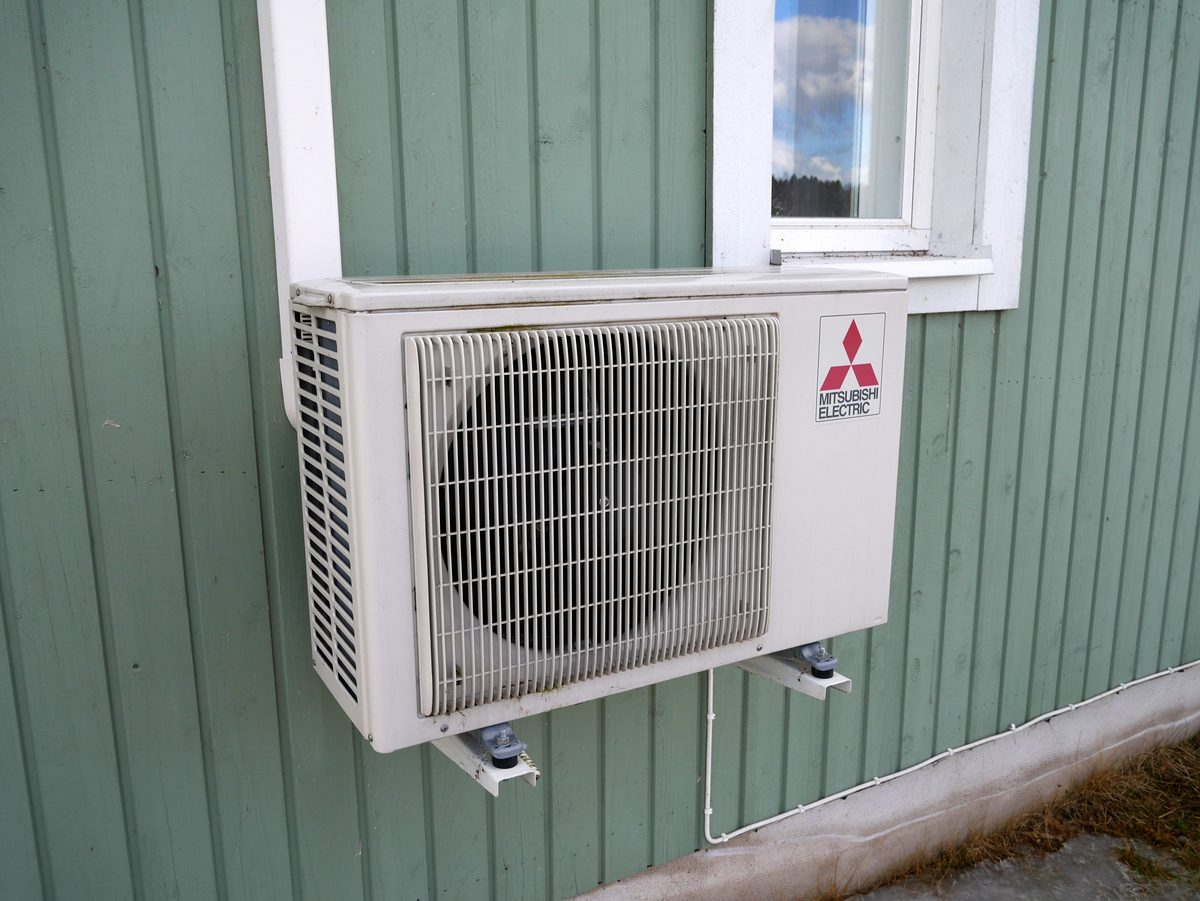
A split system is split into two main parts. The outdoor unit holds the compressor and the outdoor coil, and it sits on a pad or bracket outside the home. The indoor unit holds the evaporator coil and the blower, and it usually sits in a closet, attic, basement, or utility space, connected to the ductwork. Copper refrigerant lines and control wiring link the two halves through the wall.
When the thermostat calls for cooling, the blower pulls warm air from the house through the return ducts, passes it over the cold indoor coil, and sends the cooled air back out through the supply ducts. Heat picked up indoors travels through the refrigerant lines to the outdoor unit, where it is released to the outside air. The two halves work as one system, and both need to be matched and installed well for the result to feel right.
Reading the two model numbers
The listing names two model numbers, 13AJN48A01 and RHLLHM4821JA, and that pairing is normal for a split system. One number identifies the outdoor unit and the other identifies the indoor coil or air handler it is matched with. Manufacturers test and rate specific pairings together, so the combination matters as much as either part on its own.
When you talk to a contractor, bring both numbers. Ask whether the pairing is a matched set, what indoor coil or air handler it is meant to work with, and whether any part of your existing indoor equipment can stay. Mixing an old indoor coil with a new outdoor unit is a common source of poor cooling and short equipment life, so a matched pairing is worth confirming in writing before work starts.
What 4 tons means for a home
In air conditioning, a ton is a unit of cooling capacity, and one ton covers a fixed amount of heat removal per hour. A 4-ton system is a large residential size, suited to a bigger home or a home with high cooling loads from sun, tall ceilings, or large windows. The listing states a 4.0-ton capacity for this Rheem split system, which puts it at the upper end of what most single-family homes need.
Capacity is not a prize for the biggest number. A system that is too large for the house will cool the air quickly, shut off, and leave humidity behind, and the short cycles wear the equipment out faster. A system that is too small will run all day and still fall behind on the hottest afternoons. The right size comes from a load calculation that looks at your home's size, insulation, windows, orientation, and local climate. Ask your contractor to show you that calculation rather than sizing by rule of thumb alone.
Ductwork and airflow
Ducts decide whether a good system feels good. Leaky, crushed, or undersized ducts can waste a large share of the cooled air before it reaches a room, and rooms at the far end of the house suffer first. Before a new 4-ton system goes in, a contractor should inspect the ducts for leaks, damage, and sizing, and check that the return air path is big enough for the airflow a 4-ton blower moves.
Good airflow also depends on the filter and the registers. A clogged filter chokes the whole system, and closed registers in unused rooms raise pressure in the ducts and can make the coil freeze. Keep filters clean, keep supply registers open and unblocked by furniture, and ask the installer to measure airflow after the job is done. A system that moves the right amount of air quietly is a system that was installed with care.
Installation day: what to expect
A split-system replacement usually takes a day or two. The crew removes the old outdoor unit and indoor coil, sets the new outdoor unit on a level pad with clear space around it, fits the indoor coil or air handler, and runs new refrigerant lines or reuses sound existing lines after flushing them. They connect the drain line, wire the thermostat, charge the system with refrigerant, and test it.
Watch for a few signs of a careful job. The outdoor unit should sit level, with clearance on all sides for air and service. The refrigerant lines should be insulated and neatly secured. The condensate drain should slope away from the coil and have a trap and an overflow safeguard where the rules call for one. Before the crew leaves, ask them to run the system through a full cooling cycle, check the temperature drop across the coil, and show you the new thermostat settings.
Living with the system
Running a central split system day to day comes down to two habits: a steady thermostat and a clean filter. Choose a temperature that feels comfortable and hold it there instead of pushing the setting up and down. Wide swings force the equipment to work in bursts and do little for how the house feels. A programmable or smart thermostat can lift the setting while everyone is out and restore it before the household returns, which treats the system more gently than switching everything off on a hot afternoon.
Look after the filter on the timetable the manual gives, and sooner when pets or dust load it up. A filter that stays clean guards the indoor coil, keeps the air moving at full strength, and helps the system run efficiently. Sweep leaves and cuttings away from the outdoor unit, and rinse the coil softly from outside when the manual permits it.
When to call a contractor
Call a contractor when the system cannot hold its set temperature, when some rooms stay warm while others are cold, when you hear new noises, or when you see water where it should not be. Ice on the refrigerant lines, a drain that overflows, or a system that cycles on and off every few minutes are all signs that something needs attention. Switch the system off and call for help rather than letting it run through a fault.
Book a professional service visit at least once a year, ideally before the cooling season starts. The technician should check refrigerant charge, electrical connections, the drain, the blower, and the condition of both coils. A yearly visit catches small problems early, and it gives you a written record of the system's condition that helps with warranty claims later.